
Comprendre l’immobilier vietnamien
Acheter un bien immobilier au Vietnam en tant qu’étranger : le guide complet
Les étrangers peuvent-ils acheter un bien immobilier au Vietnam ?
30%
Quota maximum d’étrangers par immeuble
Loi sur le logement 2023
Le processus d’achat, étape par étape
⏱ 3–6 mois, de la réservation au Livre Rose
Un achat étranger à Hanoi suit une séquence fixe. Chaque étape protège la précédente, et le Livre Rose final est ce qui transforme un contrat en titre enregistré.
- 1
Rechercher, présélectionner et confirmer l’éligibilité
⏱ 2–4 semaines
Confirmez que vous êtes entré au Vietnam avec un visa valide et légalement tamponné, puis présélectionnez des appartements ou des maisons avec terrain dans des projets approuvés pour la propriété étrangère.
⚠La propriété n’accorde aucun droit de résidence — organisez votre statut de visa indépendamment.
- 2
Vérifier le quota étranger et le titre du projet
⏱ 1–2 semaines
Vérifiez que le développement est un projet commercial approuvé et que son quota étranger de 30 % par immeuble (ou 250 par arrondissement) dispose encore de place.
DocumentsDécision d’approbation du projet · Confirmation du quota étranger par le promoteur
⚠Acheter une fois le quota étranger d’un immeuble rempli ne peut produire un Livre Rose valide.
- 3
Réserver avec un acompte
⏱ Environ 1 semaine◈ ≈ 2 000–5 000 € (~55M–140M VND)
Signez le contrat de réservation et payez l’acompte pour bloquer l’unité pendant que le Contrat de Vente est préparé.
DocumentsPasseport · Contrat de réservation
⚠Confirmez par écrit si l’acompte est remboursable avant de le payer.
- 4
Signer le Contrat de Vente notarié
⏱ 2–4 semaines
Le contrat doit être bilingue et notarié, avec le prix indiqué en đồng vietnamien en toutes lettres et en chiffres, et un calendrier de paiement lié aux étapes de construction ou de remise.
DocumentsContrat bilingue · Passeport
⚠Un contrat uniquement en vietnamien, ou un prix indiqué uniquement en devise étrangère, sont des signaux d’alerte.
- 5
Effectuer les paiements échelonnés jusqu’à la remise
⏱ De plusieurs mois à plusieurs années, sur plan◈ Paiements aux étapes, virements bancaires suivis
Les achats sur plan libèrent les fonds selon les étapes de construction ; les unités achevées sont généralement payées en totalité à la signature.
DocumentsReçus de paiement
⚠Sur plan, confirmez que le promoteur détient une garantie bancaire avant de payer au-delà de l’acompte.
- 6
Enregistrer le titre et recevoir votre Livre Rose
⏱ 1–3 mois◈ 0,5 % d’enregistrement + 2 % de fonds d’entretien
Le bureau foncier de l’arrondissement enregistre votre propriété du bâtiment et des droits d’usage du sol, puis délivre le Sổ hồng pour la durée de 50 ans.
DocumentsSổ hồng (Livre Rose)
Coûts d’acquisition : ce qu’il faut pour obtenir le Livre Rose
Exemple chiffré sur un appartement neuf à 530 000 € — la médiane actuelle de Tây Hồ (données en temps réel).
| — | Min | Max | Base |
|---|---|---|---|
| Frais d’enregistrement (lệ phí trước bạ)Délivre le Livre Rose (sổ hồng) | 0.5% | 0.5% | % de la valeur déclaréeAcheteur, à l’enregistrement du titre |
| Fonds d’entretien / fonds de réserveDétenu par le conseil de gestion de l’immeuble | 2% | 2% | % de la valeurAcheteur, uniquement pour les constructions neuves |
| Frais de notaire et administratifsProportionnel à la valeur du contrat | €150 | €600 | ponctuelAcheteur, à la signature |
| Traduction certifiée & légalisationPasseport, état civil, procuration | €100 | €400 | ponctuelAcheteur, si les documents sont étrangers |
| Impôt sur le revenu personnel du vendeurSouvent inclus dans le prix négocié | 2% | 2% | % du prixVendeur, lors du transfert |
| Total | ≈3% | ≈4.5% |
Exemple — appartement neuf à 530 000 € (médiane Tây Hồ)
- Frais d’enregistrement 0,5 %
- €2,650 (~73M VND)
- Fonds d’entretien 2 %
- €10,600 (~292M VND)
- Notaire & frais administratifs
- €400 (~11M VND)
- Traduction certifiée
- €250 (~7M VND)
- Σ
- ≈ 13 900 € (~382M VND) · environ 2,6 % du prix
Housing Law 2023 · Land Law 2024 · Decree 95/2024/ND-CP
Ce que vous pouvez acheter, financement et où les acheteurs étrangers regardent à Hanoi
Dans un projet approuvé, les acheteurs étrangers peuvent choisir entre deux grandes options. La plus courante est un achat simple à votre nom propre : un appartement, ou — lorsque le développement le permet — une maison avec terrain ou une maison de ville, chacune soumise aux mêmes règles de durée de 50 ans et de quota décrites ci-dessus. Un plus petit nombre d’acheteurs achètent plutôt via une structure d’entreprise vietnamienne, généralement lorsque l’usage prévu est commercial ou qu’une entreprise est déjà établie localement ; cette voie comporte ses propres obligations de conformité et mérite d’être discutée avec un avocat agréé avant de vous engager. Consultez notre guide sur les types de biens ouverts aux acheteurs étrangers pour comparer appartements, maisons avec terrain et achats via société.
Le financement est la contrainte que la plupart des primo-accédants sous-estiment. Un prêt hypothécaire local est généralement inaccessible aux étrangers non-résidents, et même les acheteurs résidents avec une carte de séjour temporaire valide trouvent l’éligibilité limitée. En pratique, la plupart des achats étrangers à Hanoi sont financés par des économies personnelles, la vente d’actifs dans le pays d’origine, ou un financement arrangé auprès d’un prêteur dans le pays d’origine de l’acheteur, puis transféré au Vietnam via le système bancaire — une traçabilité claire est importante pour toute revente future ou rapatriement de fonds. Notre guide sur le financement d’un achat immobilier à Hanoi détaille les options réalistes.
Le lieu d’achat influence autant l’expérience que le type de bien. L’activité des acheteurs étrangers à Hanoi se concentre dans quelques arrondissements — quartiers au bord du lac avec une communauté d’expatriés établie, quartier diplomatique, et nouvelles villes construites autour de grands développements intégrés — chacun avec un mélange différent de stocks d’appartements, de style de vie et de trajets domicile-travail. Plutôt que de citer des chiffres qui évoluent chaque mois, nous maintenons des médianes en temps réel et des annonces disponibles sur les pages des arrondissements et du marché ci-dessous ; commencez par notre guide des lieux d’achat à Hanoi pour associer un arrondissement à votre cahier des charges.
Diligence raisonnable : vérifiez avant de vous engager
Documents et titre
2 ✓Avant de payer quoi que ce soit
- Confirmez que le projet est un développement commercial approuvé avec quota disponibleDemandez au promoteur une confirmation écrite du nombre actuel de propriétés détenues par des étrangersRed flagSe fier uniquement à une assurance verbale qu’il reste de la place
- Vérifiez l’identité du détenteur du Livre Rose lors de toute reventeRecoupez le nom du vendeur avec celui figurant sur le certificat au bureau foncier de l’arrondissementRed flagLe nom du vendeur ne correspond pas au titulaire du titre
Contrat et paiement
2 ✓Avant de signer le Contrat de Vente
- Vérifiez que le prix est indiqué en VND, en toutes lettres et en chiffresLe Contrat de Vente doit exprimer le montant sans ambiguïtéRed flagUn prix indiqué uniquement en devise étrangère
- Confirmez la garantie bancaire du promoteur pour tout paiement sur planDemandez la lettre de garantie d’une banque listée par la SBV avant de payer au-delà de l’acompteRed flagAucune garantie offerte pour un projet non achevé
- Prix médian
- €436 364
- Fourchette de prix
- €150 000 – €8,36M
- Prix / m²
- €8 889/m²
- Surface
- 60 m²
Appartements actuellement en vente à Hanoi
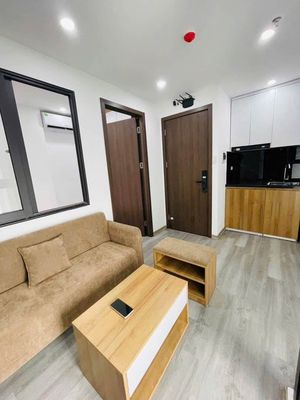
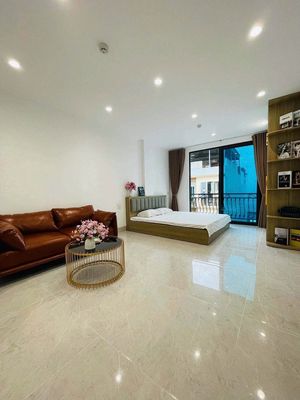
Questions fréquemment posées
Est-il judicieux d’acheter un bien immobilier au Vietnam ?
Pour de nombreux acheteurs étrangers, cela peut l’être, à condition d’acheter dans le respect des règles : un appartement dans un projet commercial approuvé, respectant le quota de 30 %, pour une durée renouvelable de 50 ans. Comme les prêts locaux sont rarement accessibles aux non-résidents, la plupart des achats sont autofinancés — planifiez votre diligence raisonnable et votre financement avant de vous engager, pas après.
Est-il intéressant d’acheter un bien immobilier au Vietnam ?
Cela dépend de vos objectifs — usage personnel, revenus locatifs ou exposition à long terme — puisque la propriété ne confère ni résidence ni visa. Vérifiez le quota étranger du projet, les antécédents du promoteur et le délai pour obtenir le Livre Rose avant d’évaluer une unité spécifique ; les prix en temps réel et les données par arrondissement sur ce site aident à cadrer les chiffres pour votre cas.
Le Vietnam est-il un bon pays pour investir dans l’immobilier ?
Le Vietnam offre aux étrangers une voie clairement définie, bien que plus restreinte que les marchés en pleine propriété : appartements dans des projets approuvés, durée renouvelable de 50 ans et coûts d’acquisition d’environ 3–4,5 % tout compris. Que cela vous convienne dépend de votre horizon temporel, car la durée fixe et les quotas sont des contraintes structurelles inexistantes dans les juridictions en pleine propriété.
De combien d’argent avez-vous besoin pour acheter une maison au Vietnam ?
Les budgets varient largement selon l’arrondissement et le type de bien — consultez les médianes en temps réel sur ce site pour les chiffres actuels. Au-delà du prix d’achat, les acheteurs étrangers doivent prévoir un supplément de 3–4,5 % pour l’enregistrement, le fonds d’entretien, les frais de notaire et de traduction, ainsi que des fonds transférés via le système bancaire pour justifier la source du capital.
Les étrangers peuvent-ils acheter un terrain au Vietnam ?
Non. Le Vietnam ne reconnaît pas la propriété privée du terrain pour quiconque. Les étrangers peuvent posséder le bâtiment — un appartement ou une maison avec terrain — dans un projet commercial approuvé, et détenir des droits d’usage du sol pour une durée de 50 ans, renouvelable une fois, mais jamais le terrain sous-jacent lui-même.
L’achat d’un bien immobilier au Vietnam confère-t-il un droit de résidence ?
Non. La propriété ne confère aucun droit de résidence, aucun visa ni aucune voie vers la citoyenneté. Vous achetez en tant que visiteur avec une entrée valide et légalement tamponnée, et gérez votre statut d’immigration séparément via les canaux ordinaires de visa touristique, d’affaires ou de travail — le Vietnam n’offre pas de visa doré lié à la propriété.
Les étrangers peuvent-ils obtenir un prêt hypothécaire pour acheter un bien immobilier au Vietnam ?
Rarement. Le financement bancaire local est généralement fermé aux acheteurs étrangers non-résidents, donc la plupart des achats sont financés par des économies personnelles ou un financement arrangé dans le pays d’origine de l’acheteur. Un petit nombre de banques proposent des programmes limités aux résidents disposant d’une TRC valide et de revenus locaux — demandez à votre conseiller de confirmer l’éligibilité actuelle.
Sources
- Loi sur le logement 2023 (Luật Nhà ở, No. 27/2023/QH15) — droits de propriété étrangère, durées et quotas.
- Loi foncière 2024 (Luật Đất đai, No. 31/2024/QH15) — cadre des droits d’usage du sol sous-jacent à toute propriété immobilière au Vietnam.
- Loi sur les affaires immobilières 2023 (Luật Kinh doanh Bất động sản, No. 29/2023/QH15) — règles régissant les transactions de vente et d’achat.
- Décret 96/2024/ND-CP — détails d’application de la Loi sur les affaires immobilières.
- Décret 95/2024/ND-CP — détails d’application de la Loi sur le logement, incluant le renouvellement de la durée de 50 ans (aucune URL officielle en anglais actuellement publiée).
- Direction générale des impôts (Tổng cục Thuế) — administration des frais d’enregistrement et des taxes liées à la propriété.
Parlez avec notre bureau de conseil à Hanoi
De la vérification du quota à votre première visite, notre équipe offre un conseil indépendant aux acheteurs étrangers — sans annonces à promouvoir, sans commission liée à un promoteur. Dites-nous votre cahier des charges et nous répondrons sous 24 heures.
Comment fonctionne la propriété immobilière au Vietnam
Le Vietnam ne reconnaît pas la propriété privée du terrain, ni pour les étrangers ni pour les Vietnamiens. La Loi foncière 2024 et la Loi sur le logement 2023 — les deux textes qui encadrent chaque achat dans ce guide — établissent à la place un système de droits d’usage du sol, enregistrés sur un certificat que chaque acheteur détient finalement à son nom : le Sổ hồng, ou Livre Rose. Ce qu’un acheteur étranger acquiert réellement, c’est la propriété du bâtiment — un appartement, ou dans certains projets une maison avec terrain — ainsi que le droit d’utiliser le terrain en dessous, mais jamais le terrain lui-même.
Cette distinction est importante car elle détermine la durée de votre propriété. Les citoyens vietnamiens détiennent leurs droits d’usage du sol sur une base stable, effectivement indéfinie. Les étrangers les détiennent pour 50 ans, renouvelables une fois — un horizon défini sans équivalent dans les marchés en pleine propriété que connaissent de nombreux acheteurs européens, et un élément à considérer selon votre propre calendrier. Le Décret 95/2024 détaille les modalités administratives qui rendent ce droit de propriété opérationnel, y compris la procédure de renouvellement.
Deux autres limites encadrent ce qui est effectivement disponible. Les achats étrangers sont plafonnés à 30 % des appartements dans un même immeuble, et à 250 maisons avec terrain par arrondissement (un arrondissement comptant environ 10 000 habitants) — et aucun achat étranger n’est possible dans une zone militaire ou de sécurité nationale désignée. Rien de tout cela n’est négociable projet par projet : une fois le quota d’un immeuble rempli, aucune vente étrangère supplémentaire ne peut produire un Livre Rose valide, c’est pourquoi la vérification du quota est le premier point de toute checklist sérieuse de diligence raisonnable. Notre analyse complète de la loi immobilière vietnamienne pour les étrangers couvre en détail chacune de ces règles.