
Vietnamesische Immobilien verstehen
Immobilienkauf in Vietnam als Ausländer: der vollständige Leitfaden
Können Ausländer in Vietnam Immobilien kaufen?
Wie Eigentum in Vietnam funktioniert
Vietnam kennt kein Konzept des privaten Landbesitzes für niemanden, weder für Ausländer noch für Vietnamesen. Das Landgesetz 2024 und das Wohnungsgesetz 2023 — die beiden Gesetze, die jeden Kauf in diesem Leitfaden regeln — etablieren stattdessen ein System von Landnutzungsrechten, die auf einem Zertifikat vermerkt sind, das jeder Käufer letztlich auf seinen Namen erhält: das Sổ hồng oder Pink Book. Was ein ausländischer Käufer tatsächlich erwirbt, ist das Eigentum am Gebäude — einer Wohnung oder in einigen Projekten einem Haus mit Grundstück — zusammen mit dem Recht, das darunterliegende Land zu nutzen, nicht das Land selbst.
Diese Unterscheidung ist wichtig, da sie die Laufzeit Ihres Eigentums bestimmt. Vietnamesische Staatsbürger halten ihre Landnutzungsrechte auf einer stabilen, praktisch unbefristeten Basis. Ausländer halten diese für 50 Jahre, einmal verlängerbar — ein definierter Zeitraum ohne Äquivalent in den freien Märkten, die viele europäische Käufer von zu Hause kennen, und einer, den Sie gegen Ihren eigenen Zeitrahmen abwägen sollten. Verordnung 95/2024 legt die administrativen Details fest, die dieses Eigentumsrecht in der Praxis umsetzbar machen, einschließlich der Verlängerungsabwicklung.
Zwei weitere Beschränkungen bestimmen, was tatsächlich verfügbar ist. Ausländische Käufe sind auf 30 % der Wohnungen in einem einzelnen Gebäude und auf 250 Häuser pro Bezirk (ein Bezirk hat etwa 10.000 Einwohner) begrenzt — und kein ausländischer Kauf ist in einer ausgewiesenen Militär- oder nationalen Sicherheitszone möglich. Dies ist projektübergreifend nicht verhandelbar: Sobald die Quote eines Gebäudes voll ist, kann kein weiterer ausländischer Verkauf darin ein gültiges Pink Book erzeugen, weshalb die Überprüfung der Quote der erste Punkt auf jeder ernsthaften Due-Diligence-Checkliste ist. Unsere vollständige Aufschlüsselung des vietnamesischen Immobilienrechts für Ausländer behandelt jede dieser Regeln im Detail.
30%
Maximale Ausländerquote pro Gebäude
Wohnungsgesetz 2023
Der Kaufprozess Schritt für Schritt
⏱ 3–6 Monate, von der Reservierung bis zum Pink Book
Ein ausländischer Kauf in Hanoi folgt einer festen Abfolge. Jeder Schritt schützt den vorherigen, und das Pink Book am Ende wandelt einen Vertrag in ein eingetragenes Eigentum um.
- 1
Suchen, auswählen und Berechtigung bestätigen
⏱ 2–4 Wochen
Bestätigen Sie, dass Sie mit einem gültigen, rechtlich abgestempelten Visum nach Vietnam eingereist sind, und wählen Sie dann Wohnungen oder Häuser innerhalb von Projekten aus, die für Ausländer genehmigt sind.
⚠Eigentum gewährt keinen Wohnsitz — regeln Sie Ihren Visastatus unabhängig.
- 2
Überprüfen Sie die Ausländerquote und den Eigentumstitel des Projekts
⏱ 1–2 Wochen
Prüfen Sie, ob die Entwicklung ein genehmigtes Gewerbeprojekt ist und ob die 30 % Ausländerquote pro Gebäude (oder 250 pro Bezirk) noch Kapazität hat.
DocumentsProjektgenehmigungsentscheidung · Bestätigung der Ausländerquote durch den Entwickler
⚠Ein Kauf, wenn die Ausländerquote eines Gebäudes voll ist, kann kein gültiges Pink Book erzeugen.
- 3
Reservieren mit einer Buchungsanzahlung
⏱ Etwa 1 Woche◈ ≈ €2.000–5.000 (~55M–140M VND)
Unterzeichnen Sie die Buchungsvereinbarung und zahlen Sie die Reservierungsanzahlung, um die Einheit zu halten, während der Kaufvertrag vorbereitet wird.
DocumentsReisepass · Buchungsvereinbarung
⚠Bestätigen Sie schriftlich, ob die Anzahlung erstattungsfähig ist, bevor Sie sie zahlen.
- 4
Unterzeichnen Sie den notariell beglaubigten Kaufvertrag
⏱ 2–4 Wochen
Der Kaufvertrag sollte zweisprachig und notariell beglaubigt sein, mit dem Preis in vietnamesischen Đồng sowohl in Worten als auch in Zahlen, und einem Zahlungsplan, der an Bau- oder Übergabemeilensteine gebunden ist.
DocumentsZweisprachiger Kaufvertrag · Reisepass
⚠Ein Vertrag nur auf Vietnamesisch oder ein Preis nur in Fremdwährung sind Warnzeichen.
- 5
Vollständige gestaffelte Zahlungen bis zur Übergabe
⏱ Monate bis Jahre, Kauf in der Bauphase◈ Meilensteinzahlungen, verfolgte Banküberweisungen
Beim Kauf in der Bauphase werden Mittel gegen Baufortschritte freigegeben; fertige Einheiten werden typischerweise bei Vertragsunterzeichnung vollständig bezahlt.
DocumentsZahlungsbelege
⚠Bei Kauf in der Bauphase bestätigen Sie, dass der Entwickler eine Bankgarantie hält, bevor Sie über die Anzahlung hinaus zahlen.
- 6
Eigentum registrieren und Ihr Pink Book erhalten
⏱ 1–3 Monate◈ 0,5 % Registrierung + 2 % Instandhaltungsfonds
Das Bezirksgrundbuchamt trägt Ihr Eigentum am Gebäude und die Landnutzungsrechte ein und stellt dann das Sổ hồng für die 50-jährige Laufzeit aus.
DocumentsSổ hồng (Pink Book)
Erwerbskosten: Was es braucht, um das Pink Book zu erhalten
Beispielrechnung für eine Neubauwohnung zu €530.000 — der aktuelle Median in Tây Hồ (Live-Daten).
| — | Min | Max | Base |
|---|---|---|---|
| Registrierungsgebühr (lệ phí trước bạ)Stellt das Pink Book (sổ hồng) aus | 0.5% | 0.5% | % des deklarierten WertesKäufer, bei der Eigentumsregistrierung |
| Instandhaltungs- / RücklagefondsWird vom Gebäudemanagement verwaltet | 2% | 2% | % des WertesKäufer, nur Neubauten |
| Notar- und VerwaltungsgebührenSkaliert mit Vertragswert | €150 | €600 | einmaligKäufer, bei Vertragsunterzeichnung |
| Beglaubigte Übersetzung & LegalisierungReisepass, Familienstand, Vollmacht | €100 | €400 | einmaligKäufer, wenn Dokumente ausländisch sind |
| Persönliche Einkommensteuer des VerkäufersOft im verhandelten Preis enthalten | 2% | 2% | % des PreisesVerkäufer, bei der Übertragung |
| Total | ≈3% | ≈4.5% |
Beispiel — €530.000 Neubauwohnung (Median Tây Hồ)
- Registrierungsgebühr 0,5 %
- €2,650 (~73M VND)
- Instandhaltungsfonds 2 %
- €10,600 (~292M VND)
- Notar & Verwaltung
- €400 (~11M VND)
- Beglaubigte Übersetzung
- €250 (~7M VND)
- Σ
- ≈ €13.900 (~382M VND) · etwa 2,6 % des Preises
Housing Law 2023 · Land Law 2024 · Decree 95/2024/ND-CP
Was Sie kaufen können, Finanzierung und wo ausländische Käufer in Hanoi suchen
Innerhalb eines genehmigten Projekts können ausländische Käufer zwischen zwei Hauptwegen wählen. Der häufigste ist ein direkter Kauf auf eigenen Namen: eine Wohnung oder — wenn das Projekt es erlaubt — ein Haus mit Grundstück oder Stadthaus, jeweils unter den oben beschriebenen 50-jährigen Laufzeit- und Quotenregeln. Eine kleinere Anzahl von Käufern erwirbt stattdessen über eine vietnamesische Firmenstruktur, typischerweise wenn die Nutzung gewerblich ist oder bereits ein Geschäft vor Ort besteht; dieser Weg bringt eigene Compliance-Verpflichtungen mit sich und sollte vor einer Entscheidung mit einem zugelassenen Anwalt besprochen werden. Siehe unseren Leitfaden zu Immobilientypen, die für Ausländer offen sind, um zu vergleichen, wie Wohnungen, Häuser und Firmenkäufe sich unterscheiden.
Die Finanzierung ist die Einschränkung, die die meisten Erstkäufer unterschätzen. Eine lokale Hypothek ist für nicht ansässige Ausländer in der Regel nicht verfügbar, und selbst ansässige Käufer mit gültiger Aufenthaltskarte (TRC) finden die Voraussetzungen eng. In der Praxis werden die meisten ausländischen Käufe in Hanoi aus persönlichen Ersparnissen, dem Verkauf von Vermögenswerten im Heimatland oder einer Finanzierung bei einem Kreditgeber im Heimatland des Käufers finanziert und dann über das Bankensystem nach Vietnam transferiert — eine saubere Papierkette ist wichtig für jeden zukünftigen Wiederverkauf oder die Rückführung von Mitteln. Unser Leitfaden zur Finanzierung eines Immobilienkaufs in Hanoi erläutert die realistischen Optionen ausführlicher.
Wo Sie kaufen, prägt die Erfahrung ebenso wie was Sie kaufen. Die Aktivität ausländischer Käufer in Hanoi konzentriert sich auf einige wenige Bezirke — seenahen Stadtteile mit etablierter Expat-Gemeinschaft, das Diplomatenviertel und neuere Stadtteile rund um große integrierte Entwicklungen — jeder mit unterschiedlichem Mix aus Wohnungsbestand, Lebensstil und Pendelzeit. Anstatt monatlich schwankende Zahlen zu nennen, halten wir Live-Medianwerte und verfügbare Angebote auf den Bezirks- und Marktseiten unten bereit; beginnen Sie mit unserem Leitfaden, wo man in Hanoi kaufen sollte, um einen Bezirk auf Ihr Suchprofil abzustimmen.
Due Diligence: Überprüfen, bevor Sie sich verpflichten
Dokumente und Eigentumstitel
2 ✓Bevor Sie etwas bezahlen
- Bestätigen Sie, dass das Projekt eine genehmigte Gewerbeentwicklung mit verfügbarer Quote istFordern Sie vom Entwickler eine schriftliche Bestätigung der aktuellen Ausländerquote anRed flagNur mündliche Zusicherung, dass noch Platz vorhanden ist
- Überprüfen Sie bei jedem Wiederverkauf die Identität des Pink Book-InhabersVergleichen Sie den Namen des Verkäufers mit dem Zertifikat beim BezirksgrundbuchamtRed flagName des Verkäufers stimmt nicht mit dem Eigentümer überein
Vertrag und Zahlung
2 ✓Bevor Sie den Kaufvertrag unterzeichnen
- Vergewissern Sie sich, dass der Preis in VND, in Worten und Zahlen angegeben istDer Kaufvertrag muss den Betrag eindeutig ausdrückenRed flagEin Preis, der nur in Fremdwährung angegeben ist
- Bestätigen Sie die Bankgarantie des Entwicklers für jede Zahlung in der BauphaseFordern Sie das Garantie-Schreiben einer von der SBV gelisteten Bank an, bevor Sie über die Anzahlung hinaus zahlenRed flagKeine Garantie für ein unfertiges Projekt angeboten
- Medianpreis
- €436.364
- Preisspanne
- €150.000 – €8,36M
- Preis / m²
- €8.889/m²
- Fläche
- 60 m²
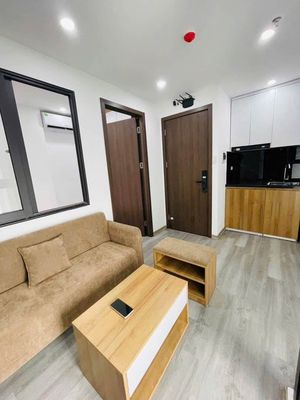
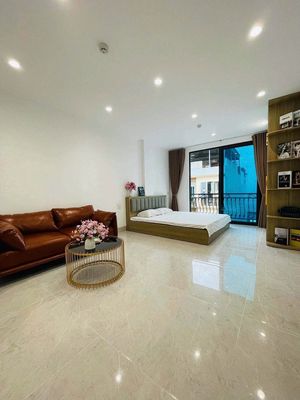
Derzeit zum Verkauf stehende Wohnungen in Hanoi
Häufig gestellte Fragen
Ist es eine gute Idee, in Vietnam Immobilien zu kaufen?
Für viele ausländische Käufer kann es das sein, vorausgesetzt, Sie kaufen innerhalb der Regeln: eine Wohnung in einem genehmigten Gewerbeprojekt, unter Beachtung der 30 % Quote, mit verlängerbarer 50-jähriger Laufzeit. Da lokale Hypotheken für Nichtansässige selten verfügbar sind, werden die meisten Käufe selbst finanziert — planen Sie Ihre Due Diligence und Finanzierung, bevor Sie sich verpflichten, nicht danach.
Lohnt es sich, Immobilien in Vietnam zu kaufen?
Das hängt von Ihren Zielen ab — Nutzung zum Leben, Mieteinnahmen oder langfristige Beteiligung — da Eigentum selbst keinen Wohnsitz oder Visum gewährt. Überprüfen Sie die Ausländerquote des Projekts, die Erfolgsbilanz des Entwicklers und den Zeitrahmen für das Pink Book, bevor Sie eine bestimmte Einheit bewerten; die Live-Preise und Bezirksdaten auf dieser Seite helfen, die Zahlen für Ihren Fall einzuordnen.
Ist Vietnam gut für Immobilieninvestitionen?
Vietnam bietet Ausländern einen klar definierten, wenn auch engeren Weg als freie Eigentumsmärkte: Wohnungen in genehmigten Projekten, eine 50-jährige verlängerbare Laufzeit und Erwerbskosten von etwa 3–4,5 % all-in. Ob es zu Ihnen passt, hängt von Ihrem Zeithorizont ab, da die feste Laufzeit und Quoten strukturelle Beschränkungen sind, die in freien Eigentumsrechtsordnungen nicht existieren.
Wie viel Geld braucht man, um ein Haus in Vietnam zu kaufen?
Die Budgets variieren stark je nach Bezirk und Immobilientyp — siehe die Live-Medianwerte auf dieser Seite für aktuelle Zahlen. Über den Kaufpreis hinaus sollten ausländische Käufer zusätzlich 3–4,5 % für Registrierung, Instandhaltungsfonds, Notar- und Übersetzungskosten sowie Mittel, die über das Bankensystem transferiert werden, um die Kapitalherkunft nachzuweisen, einplanen.
Können Ausländer Land in Vietnam kaufen?
Nein. Vietnam erkennt kein privates Landbesitzrecht für irgendjemanden an. Ausländer können das Gebäude — eine Wohnung oder ein Haus mit Grundstück — innerhalb eines genehmigten Gewerbeprojekts besitzen und Landnutzungsrechte für eine 50-jährige Laufzeit, einmal verlängerbar, halten, aber niemals das zugrundeliegende Land selbst.
Gewährt der Immobilienkauf in Vietnam einen Wohnsitz?
Nein. Eigentum verleiht kein Wohnrecht, kein Visum und keinen Weg zur Staatsbürgerschaft. Sie kaufen als Besucher mit gültiger, rechtlich abgestempelter Einreise und regeln Ihren Einwanderungsstatus separat über die üblichen Touristen-, Geschäfts- oder Arbeitsvisa-Kanäle — Vietnam bietet kein goldenes Visum, das an Immobilien gebunden ist.
Können Ausländer eine Hypothek für den Immobilienkauf in Vietnam erhalten?
Selten. Lokale Bankfinanzierungen sind für nicht ansässige ausländische Käufer in der Regel nicht zugänglich, sodass die meisten Käufe aus persönlichen Ersparnissen oder einer Finanzierung im Heimatland des Käufers finanziert werden. Eine kleine Anzahl von Banken bietet begrenzte Programme für Ansässige mit gültiger TRC und lokalem Einkommen an — fragen Sie Ihren Berater, um die aktuelle Berechtigung zu bestätigen.
Quellen
- Wohnungsgesetz 2023 (Luật Nhà ở, Nr. 27/2023/QH15) — Rechte, Laufzeiten und Quoten für Ausländereigentum.
- Landgesetz 2024 (Luật Đất đai, Nr. 31/2024/QH15) — der Rahmen für Landnutzungsrechte, der allen Immobilienbesitz in Vietnam zugrunde liegt.
- Gesetz über das Immobiliengeschäft 2023 (Luật Kinh doanh Bất động sản, Nr. 29/2023/QH15) — Regeln für Kauf- und Verkaufstransaktionen.
- Verordnung 96/2024/ND-CP — Ausführungsbestimmungen zum Gesetz über das Immobiliengeschäft.
- Verordnung 95/2024/ND-CP — Ausführungsbestimmungen zum Wohnungsgesetz, einschließlich Verlängerung der 50-jährigen Laufzeit (derzeit keine offizielle englischsprachige URL veröffentlicht).
- Generaldirektion für Steuern (Tổng cục Thuế) — Verwaltung von Registrierungsgebühren und immobilienbezogenen Steuern.
Sprechen Sie mit unserem Beratungsdesk in Hanoi
Von der Überprüfung der Quote bis zur ersten Besichtigung bietet unser Team unabhängige Beratung für ausländische Käufer — keine Angebote zum Drängen, keine Provisionen, die an einen bestimmten Entwickler gebunden sind. Teilen Sie uns Ihr Suchprofil mit, und wir antworten innerhalb von 24 Stunden.